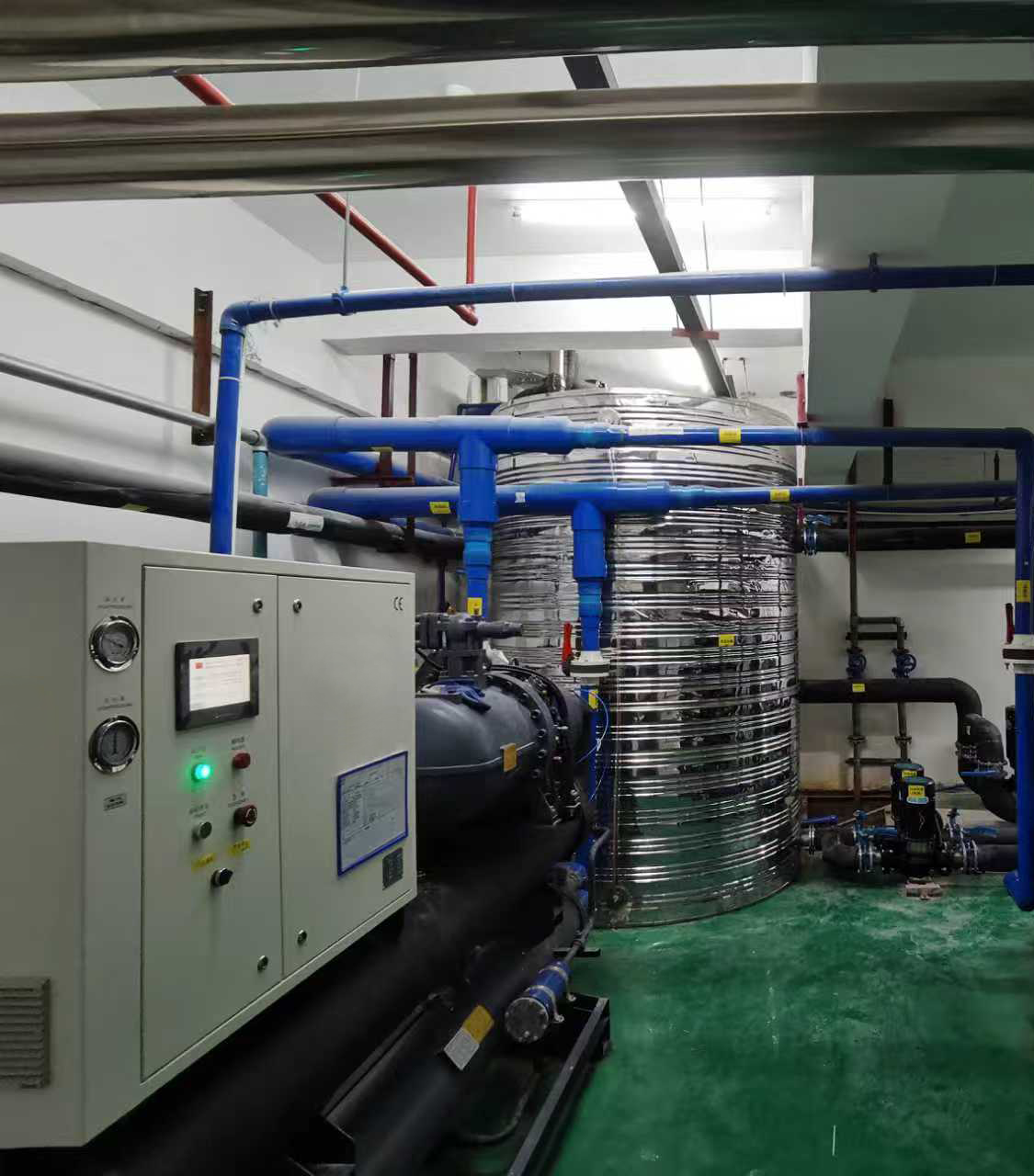
Low-Temperature Refrigeration
Architecture for Seafood Processing

Thailand • Seafood Processing & Export Manufacturing

≈124 kWLow-Temp. Cooling Capacity
-10°CGlycol Supply Temperature
KWSL-080DWater-Cooled Chiller
24/7Continuous Operation
SYSTEM STATUS — OPERATIONAL
✓ Low Temperature Refrigeration ✓ Cooling Tower Integrated ✓ Glycol Closed Loop ✓ Food Processing Application
Lohabour Thailand Seafood Processing
≈124 kWCooling Capacity
-10°CGlycol Supply
24/7Operation
KWSL-080DChiller Model
Engineering Brief

CustomerConfidential — NDA Protected
IndustrySeafood Processing & Export Manufacturing
ApplicationLow-Temperature Process Cooling
ENGINEERING OBJECTIVE

Design a reliable low-temperature thermal system capable of maintaining stable -10°C glycol supply temperature during continuous seafood processing operation under tropical climate conditions — stable sub-zero performance, efficient heat rejection under high ambient conditions, reliable 24/7 support, and flexible expansion capability.

PROJECT SCOPE
  • ✓ Thermal load calculation
  • ✓ Low-temperature refrigeration selection
  • ✓ Cooling tower heat rejection design
  • ✓ Glycol hydraulic circuit engineering
  • ✓ Pump station selection
  • ✓ Insulated piping network
  • ✓ Control integration
  • ✓ Commissioning
View Full System Flow ↓

Factory Thermal Map

Complete refrigeration architecture — heat generation, heat rejection, secondary cooling distribution and process return flow.

HEAT REJECTION LOOP
Heat RejectionCooling Tower
CirculationCondenser Water Pump
Thermal Generation — Condenser SideKWSL-080D Water-Cooled Chiller
↺ Condenser Return to Cooling Tower PROCESS COOLING LOOP
Thermal Generation — Evaporator SideKWSL-080D Evaporator
Supply-10°C Glycol Supply
Thermal BufferingGlycol Buffer Tank
Hydraulic DistributionProcess Pump Station
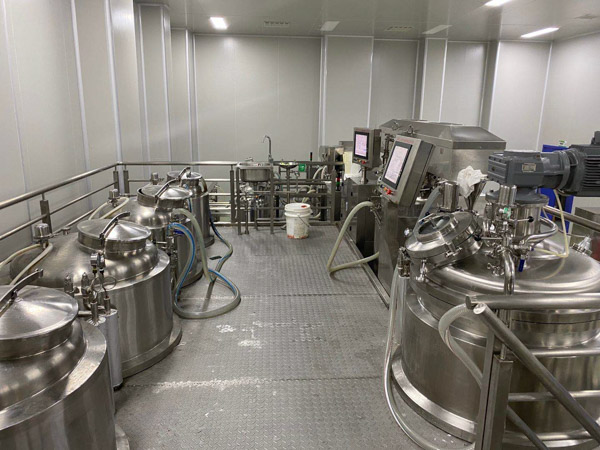
Process LoadSeafood Processing Equipment
ConsolidationWarm Glycol Return
↺ Back to Chiller

What This System Was Designed To Solve

Seafood processing requires precise temperature management during continuous production. Thermal loads vary significantly depending on raw material intake, processing speed and ambient conditions.

BEFORE — BASIC COOLING APPROACH

  • Cooling equipment operating close to maximum capacity
  • Limited reserve during production surges
  • Reduced efficiency during tropical ambient conditions
  • Higher mechanical stress from frequent cycling

AFTER — ENGINEERED THERMAL NETWORK

-10°C
  • Additional capacity margin absorbs variable production loads
  • Dedicated cooling tower circuit maintains efficiency in tropical ambient
  • Closed-loop glycol distribution, no direct refrigerant in production areas
  • Buffer storage reduces fluctuation and improves compressor stability

Not Equipment. Engineering.

01 Thermal Generation

KWSL-080D Water-Cooled Low Temperature Chiller

Input

≈70 kW calculated continuous cooling demand

Purpose

Generate stable low-temperature glycol cooling for production operations

Result

123.8 kW installed capacity @ -10°C glycol supply (50Hz) — reserve margin absorbs production peaks

02 Heat Rejection

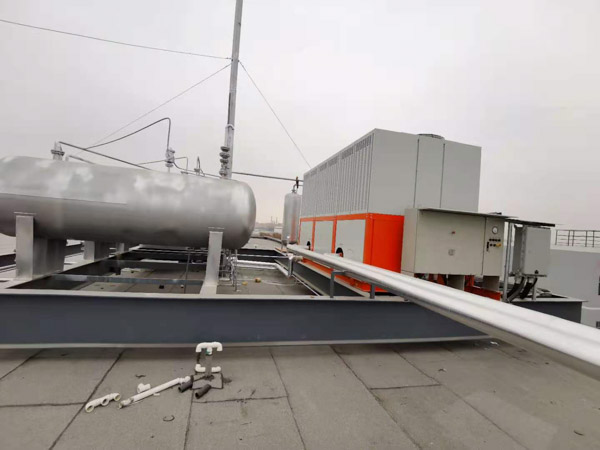
Cooling Tower & Condenser Water Circuit

Input

High refrigerant discharge heat from low-temperature refrigeration

Purpose

Reject condenser heat through evaporative cooling

Result

56 m³/h condenser water flow, stable condensing under tropical ambient conditions

03 Thermal Buffering

Glycol Buffer Tank

Input

Variable production cooling demand

Purpose

Absorb thermal fluctuations and stabilize glycol temperature

Result

Reduced compressor cycling, improved stability, longer equipment life

04 Process Distribution

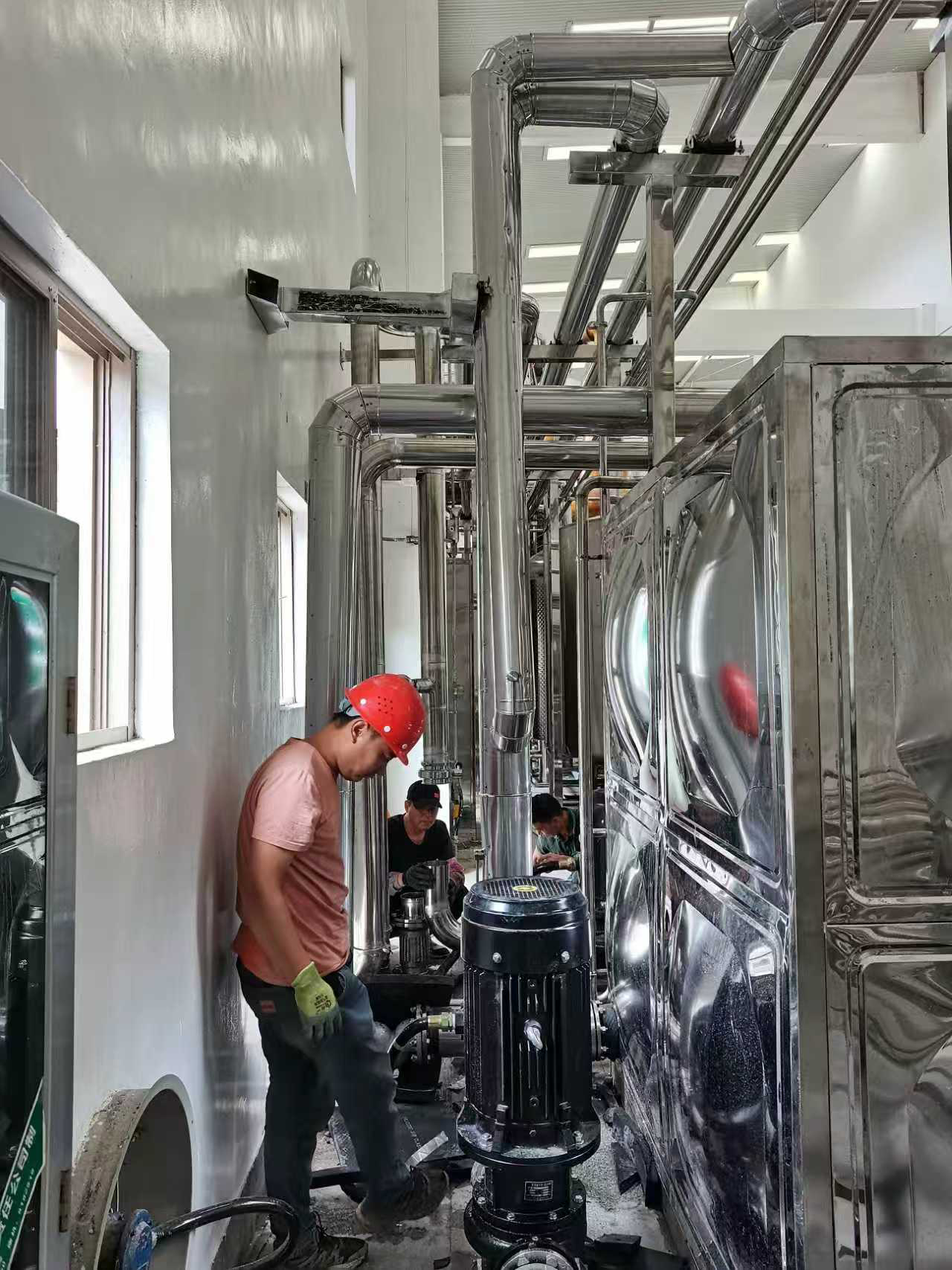
Glycol Pump Station & Insulated Stainless Piping

Input

Continuous low-temperature circulation requirement

Purpose

Deliver stable glycol cooling throughout production equipment

Result

45 m³/h balanced flow, minimized heat gain

05 Control Layer

Industrial Temperature Monitoring System

Input

Temperature, flow and operating feedback signals

Purpose

Monitor system performance and protect refrigeration equipment

Result

Automatic operation with improved production visibility

Engineering Parameters

Cooling Capacity123.8 kW @ -10°C
Equipment ModelKWSL-080D
Refrigeration TypeWater-Cooled Low Temperature Chiller
RefrigerantR404A
Glycol Supply Temperature-10°C
Glycol Flow Rate45 m³/h
Condenser Water Flow56 m³/h
Heat RejectionCooling Tower
Compressor ControlMulti-Stage Capacity Regulation
Operation24/7 Continuous Duty

Hydraulic Cooling Cycle

Cooling Tower
Condenser Water Circuit
🧊
KWSL-080D Refrigeration System
Multi-Stage CompressorWater-Cooled CondenserExpansion ValveEvaporator
🔀
Glycol Cooling Loop
🛢
Buffer Tank
Seafood Processing Equipment
Warm Glycol Return
🧊
Chiller Evaporator
-10°CGlycol Supply
StableRefrigeration Cycle

Layered Automation Stack

INTELLIGENCE

Temperature Sensors · Flow Monitoring · Alarm Protection

CONTROL

Capacity Regulation · Pump Management · Operating Protection

HYDRAULICS

Glycol Tank · Pump Station · Insulated Piping

THERMAL CORE

KWSL-080D Chiller · Cooling Tower

Thermal Performance Dashboard

Design parameters, not live telemetry — figures reflect engineered targets for this system.

123.8 kW
Cooling Capacity
45 m³/h
Glycol Flow
-10°C
Glycol Supply
100%
System Reliability
24/7
Production Availability

Engineering Decisions

Why KWSL-080D Instead of Smaller Capacity?

Challenge

A system operating near maximum capacity has limited flexibility during production peaks.

Decision

Select higher-capacity low-temperature refrigeration equipment.

Benefit

Additional thermal reserve improves temperature stability and reduces equipment stress.

Why Water-Cooled Refrigeration?

Challenge

Thailand tropical temperatures increase condenser pressure on air-cooled systems.

Decision

Use water-cooled condenser with cooling tower heat rejection.

Benefit

More stable condensing conditions and improved efficiency.

Why Glycol Secondary Cooling?

Challenge

Production areas require flexible and safe cooling distribution.

Decision

Use closed-loop glycol circulation.

Benefit

Reliable low-temperature delivery without direct refrigerant circulation.

Why Thermal Buffering?

Challenge

Seafood production creates variable thermal loads.

Decision

Integrate glycol buffer storage.

Benefit

Stable temperatures and reduced compressor cycling.

What This System Delivers

Stable -10°C glycol cooling supplyHeld continuously through variable production loads
Improved seafood process temperature controlConsistent conditions across the production line
Reliable operation under tropical conditionsCooling tower circuit sustains performance in high ambient heat
Reduced compressor stressBuffer tank lowers cycling frequency
Better response to production fluctuationsReserve capacity absorbs demand peaks
Expandable cooling infrastructureArchitecture ready for future production lines
Continuous production support24/7 operation with no cooling downtime

What Defines This System

Ratings below are a qualitative engineering assessment, not a measured benchmark — shown as a segmented meter rather than star icons to keep the framing technical.

THERMAL
CORE
Thermal Stability
Reliability
Automation
Scalability
Maintainability
Energy Optimization

Documented On Site

Engineering Principles Applied

Similar Applications

Frozen Food Processing Meat Processing Cold Storage Beverage Cooling Pharmaceutical Temperature Control

Project At A Glance

EquipmentKWSL-080D Water-Cooled Low Temperature Chiller
IndustrySeafood Processing
LocationThailand
Capacity123.8 kW
Glycol Temperature-10°C
RefrigerantR404A
Condenser SystemCooling Tower
Secondary FluidGlycol
Operation24/7
Cooling ArchitectureClosed Loop Industrial System

Design Your Industrial
Cooling Architecture

Every production process has a unique thermal profile. Lohabour engineers analyze heat load, operating conditions, hydraulic requirements and future expansion plans to develop complete cooling architectures engineered for industrial reliability.