Thailand • Seafood Processing & Export Manufacturing
Design a reliable low-temperature thermal system capable of maintaining stable -10°C glycol supply temperature during continuous seafood processing operation under tropical climate conditions — stable sub-zero performance, efficient heat rejection under high ambient conditions, reliable 24/7 support, and flexible expansion capability.
Complete refrigeration architecture — heat generation, heat rejection, secondary cooling distribution and process return flow.
Seafood processing requires precise temperature management during continuous production. Thermal loads vary significantly depending on raw material intake, processing speed and ambient conditions.
≈70 kW calculated continuous cooling demand
Generate stable low-temperature glycol cooling for production operations
123.8 kW installed capacity @ -10°C glycol supply (50Hz) — reserve margin absorbs production peaks
High refrigerant discharge heat from low-temperature refrigeration
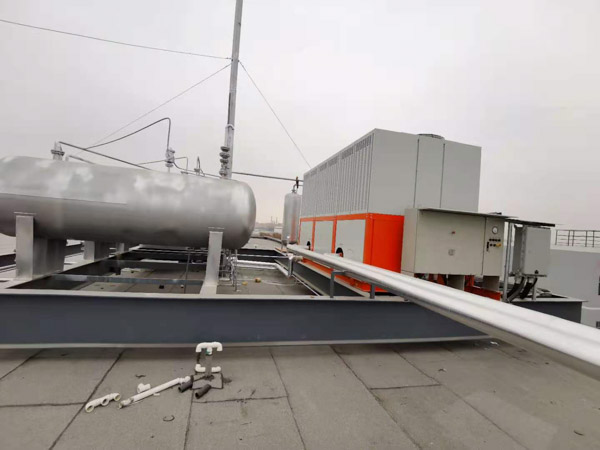
Reject condenser heat through evaporative cooling
56 m³/h condenser water flow, stable condensing under tropical ambient conditions
Variable production cooling demand
Absorb thermal fluctuations and stabilize glycol temperature
Reduced compressor cycling, improved stability, longer equipment life
Continuous low-temperature circulation requirement
Deliver stable glycol cooling throughout production equipment
45 m³/h balanced flow, minimized heat gain
Temperature, flow and operating feedback signals
Monitor system performance and protect refrigeration equipment
Automatic operation with improved production visibility
Temperature Sensors · Flow Monitoring · Alarm Protection
Capacity Regulation · Pump Management · Operating Protection
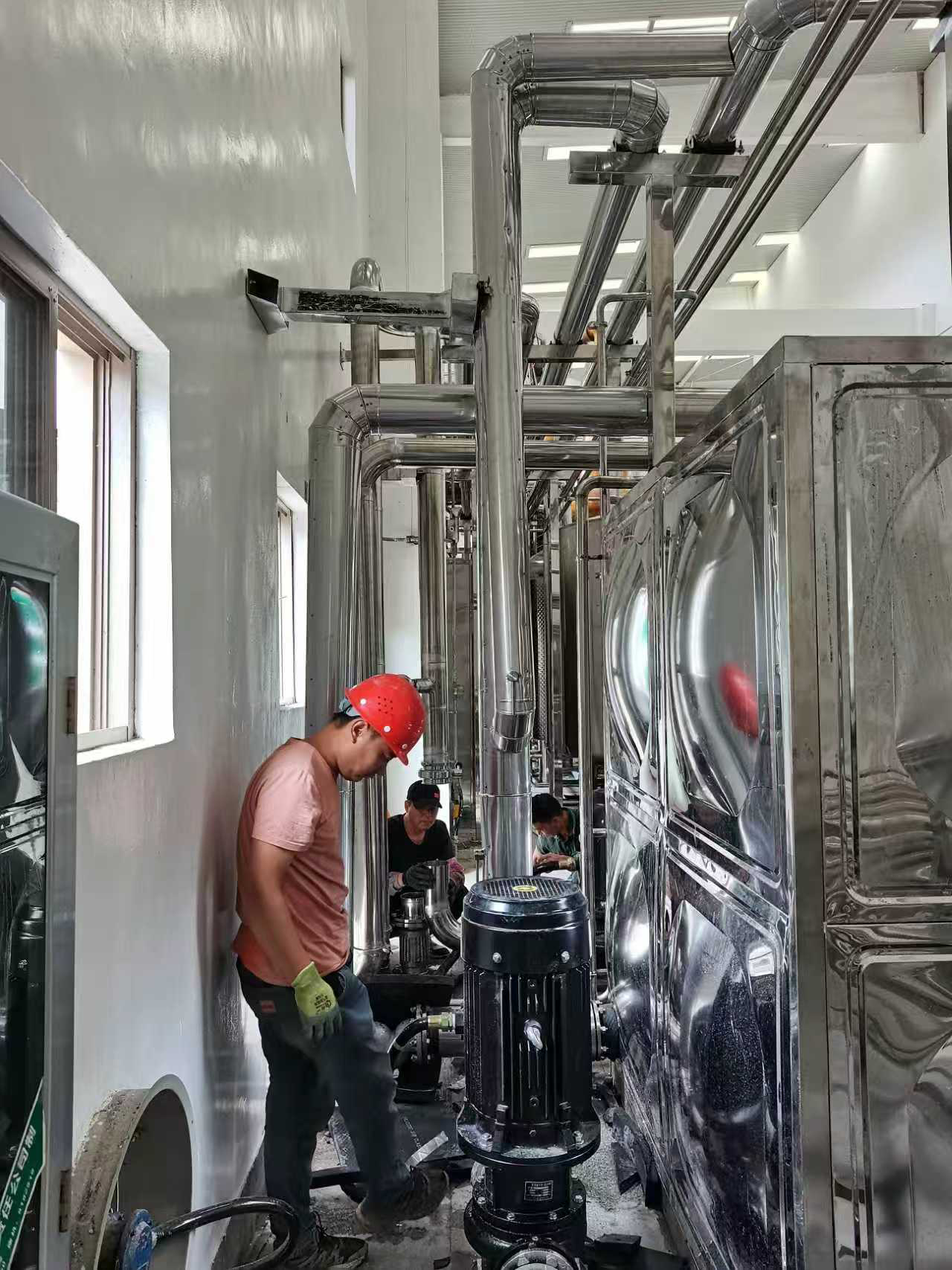
Glycol Tank · Pump Station · Insulated Piping
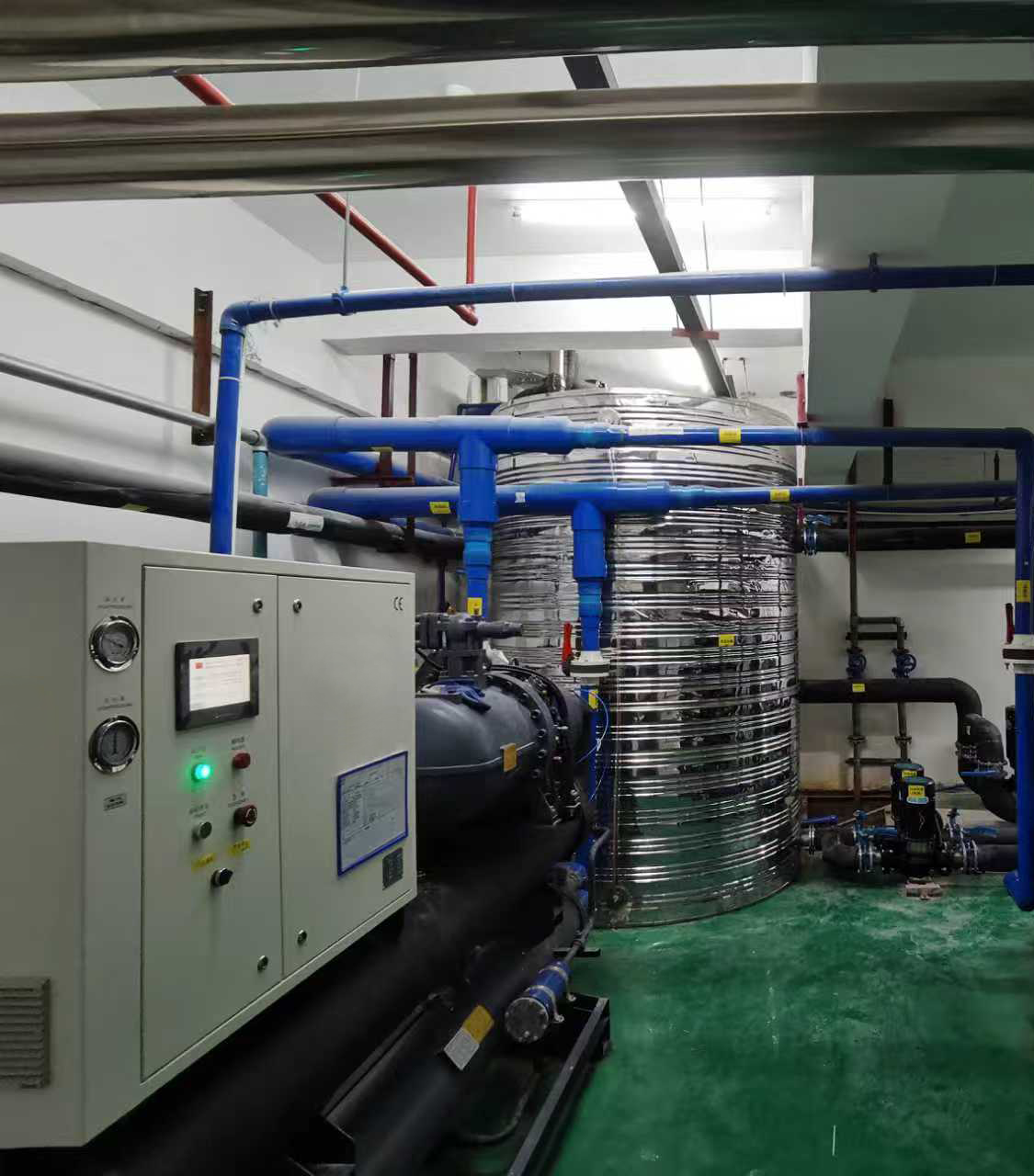
KWSL-080D Chiller · Cooling Tower
Design parameters, not live telemetry — figures reflect engineered targets for this system.
A system operating near maximum capacity has limited flexibility during production peaks.
Select higher-capacity low-temperature refrigeration equipment.
Additional thermal reserve improves temperature stability and reduces equipment stress.
Thailand tropical temperatures increase condenser pressure on air-cooled systems.
Use water-cooled condenser with cooling tower heat rejection.
More stable condensing conditions and improved efficiency.
Production areas require flexible and safe cooling distribution.
Use closed-loop glycol circulation.
Reliable low-temperature delivery without direct refrigerant circulation.
Seafood production creates variable thermal loads.
Integrate glycol buffer storage.
Stable temperatures and reduced compressor cycling.
Ratings below are a qualitative engineering assessment, not a measured benchmark — shown as a segmented meter rather than star icons to keep the framing technical.
Every production process has a unique thermal profile. Lohabour engineers analyze heat load, operating conditions, hydraulic requirements and future expansion plans to develop complete cooling architectures engineered for industrial reliability.