New Zealand • Hygienic Milk Processing Cooling
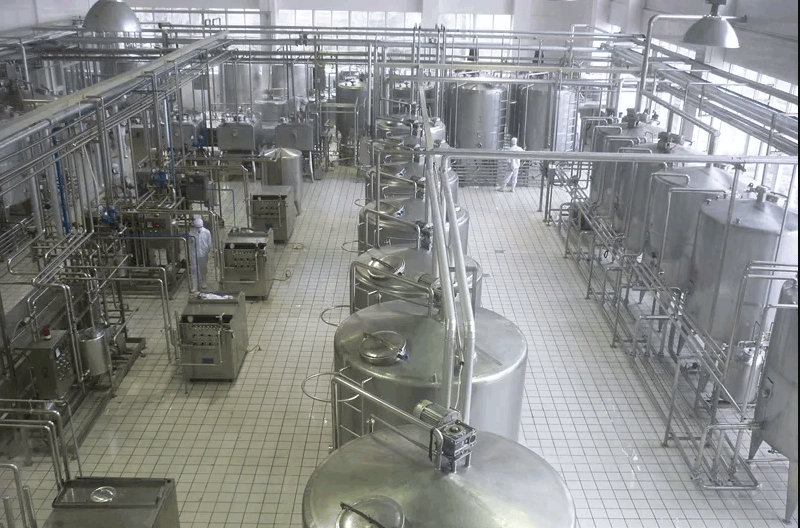
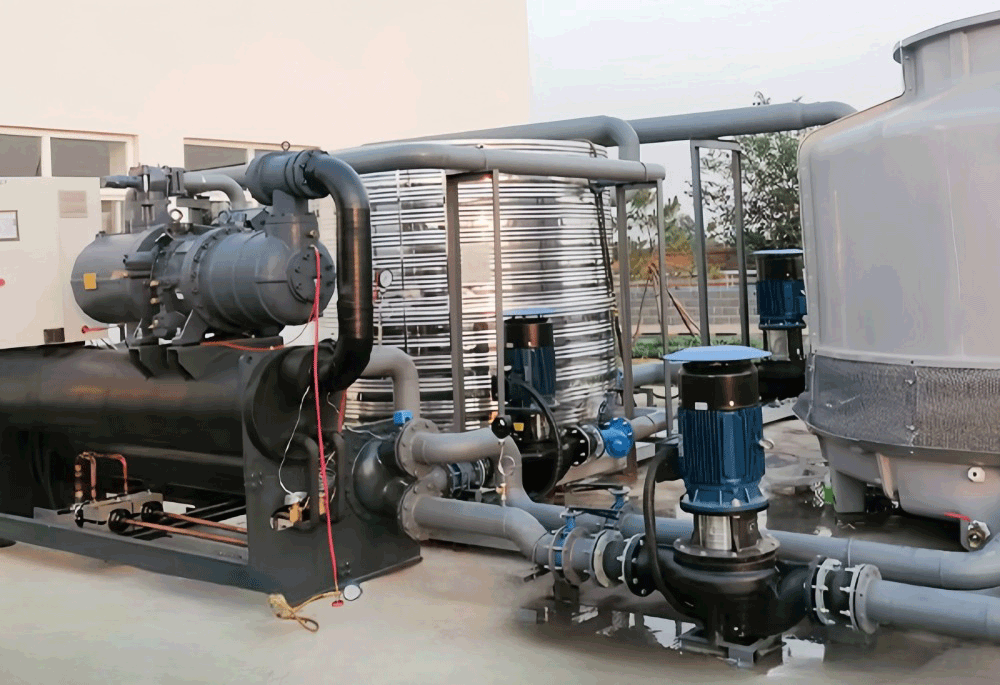
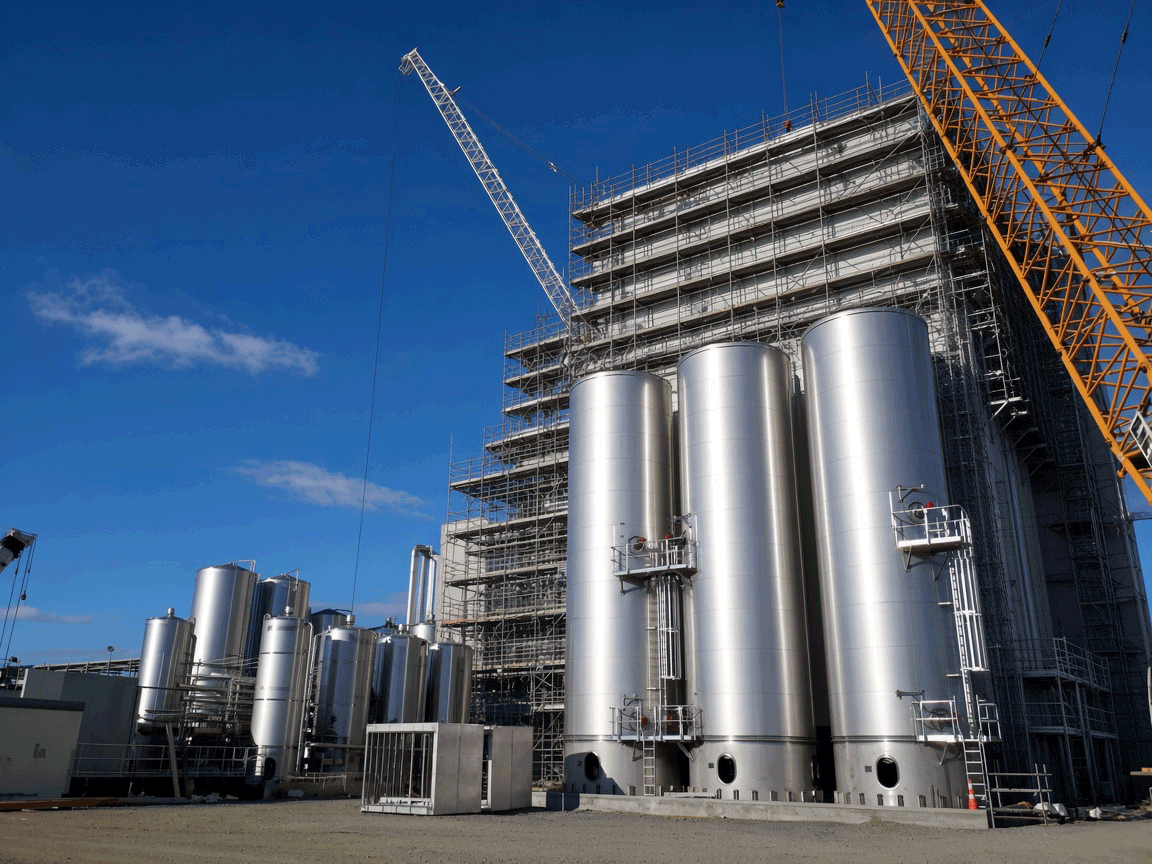
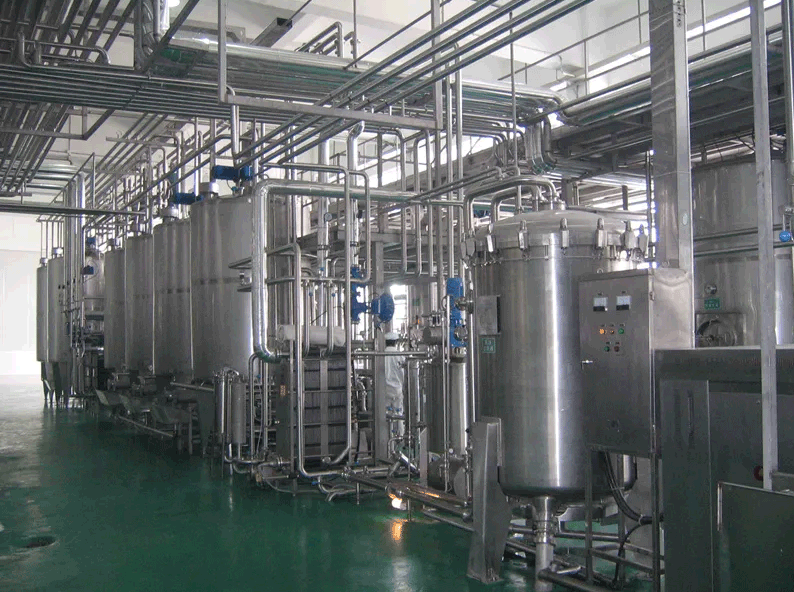
Milk processing operations require controlled thermal conditions throughout production, with cooling demand varying according to processing stages, production throughput, equipment operation, and product temperature requirements. Lohabour engineered a centralized process cooling plant with approximately 350 kW of cooling capacity to provide a stable chilled water source for the dairy processing system. The plant uses a water-cooled industrial screw chiller connected to a dedicated condenser-water circuit and cooling tower, while a stainless steel chilled water tank and process circulation pumps provide stable cooling distribution. A plate heat exchanger separates the central chilled-water system from the dairy process circuit, transferring heat efficiently while maintaining hydraulic separation between the refrigeration loop and the process side.
The full plant layout — heat rejection, generation, distribution, and return — with live flow direction.
Milk processing operations require controlled thermal conditions throughout production. Cooling demand can vary according to processing stages, production throughput, equipment operation, and product temperature requirements — and the dairy process circuit needed to remain hydraulically separated from the central refrigeration system to protect hygienic processing standards.
Continuous process cooling demand from milk processing operations and dairy production equipment
Generate chilled water using a water-cooled industrial screw chiller connected to a dedicated condenser-water and cooling tower circuit
≈350 kW of centralized cooling capacity supplying the process cooling system
Warm condenser water carrying heat removed from the refrigeration cycle
Reject heat to the atmosphere through a dedicated condenser-water cooling tower circuit
Continuous heat rejection capacity supporting sustained water-cooled chiller operation
Chilled water from the central refrigeration circuit and warm return water from the dairy process circuit
Transfer heat between the two circuits without mixing the fluids, keeping the process side hydraulically separated from the central cooling system
Efficient heat transfer with process-side isolation, controlled heat transfer, and easier maintenance
Changing chilled water demand as production equipment and process stages operate
Provide hydraulic buffering and stable circulation through a stainless steel chilled water tank and dedicated process cooling pumps
Stable chilled water availability and consistent flow through the plate heat exchanger during changing process demand
PLC Monitoring · Temperature Sensors · Alarm Protection
Automatic Temperature Control · Chiller Sequencing
Process Cooling Pumps · Plate Heat Exchanger Interface
Water-Cooled Industrial Screw Chiller · Cooling Tower
Design parameters, not live telemetry — figures reflect engineered targets for this system.
The dairy facility requires approximately 350 kW of continuous process cooling within a controlled temperature range.
Use a dedicated water-cooled industrial screw chiller connected to a condenser-water cooling tower system.
Provides centralized process cooling capacity with dedicated heat rejection suitable for a substantial industrial thermal load.
The water-cooled chiller must continuously reject heat from the refrigeration cycle.
Connect the condenser side of the chiller to a dedicated cooling tower through a condenser-water circulation loop.
Provides continuous atmospheric heat rejection and completes the water-cooled refrigeration cycle.
Dairy processing loads can change as production equipment and process stages operate.
Integrate a stainless steel chilled water tank into the process cooling circuit.
Provides hydraulic buffering and helps stabilize chilled water availability during changing process demand.
The central refrigeration circuit and dairy process circuit require controlled hydraulic separation.
Use a plate heat exchanger as the thermal interface between the chilled-water system and process circuit.
Efficient heat transfer while maintaining separation between the central cooling system and the dairy process.
The dairy process requires controlled and reliable chilled water circulation.
Install dedicated process cooling pumps to circulate chilled water through the heat exchanger and process loop.
Stable process flow, reliable heat transfer, and improved control of the cooling circuit.
Ratings below are a qualitative engineering assessment, not a measured benchmark — shown as a segmented meter rather than star icons to keep the framing technical.
Every food and beverage process has a unique thermal and hygienic separation profile. Lohabour engineers analyze process cooling loads, temperature ranges, and hydraulic separation requirements to develop chilled water architectures engineered for reliability and product quality.